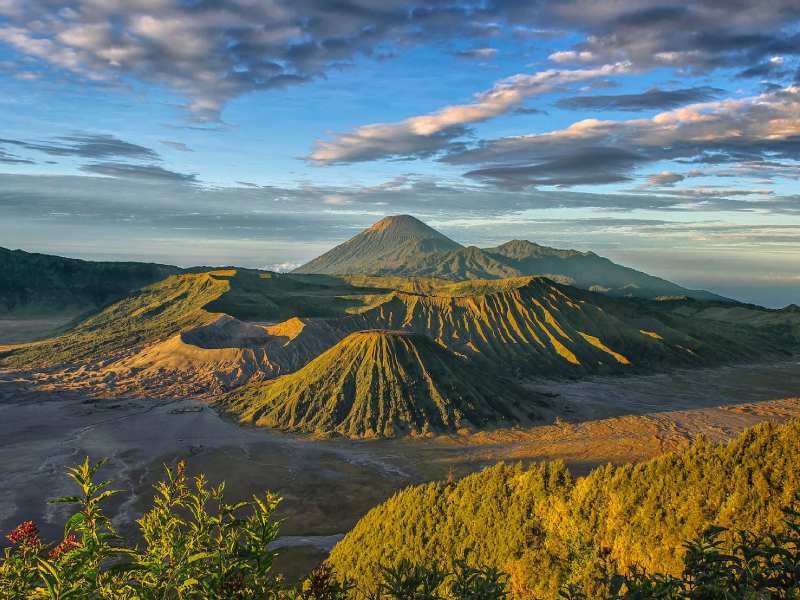
Indonesia
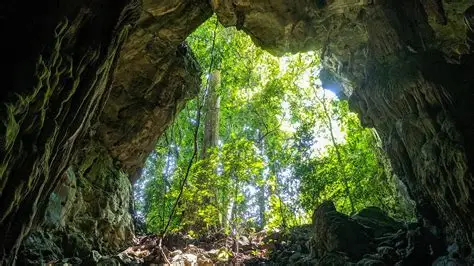
Eco-tourism in Sumatra thrives in its rainforests, lakes, and protected landscapes, where conservation and community involvement take centre stage. Gunung Leuser National Park and Bukit Lawang are internationally recognised for jungle trekking and responsible orangutan observation, offering immersive rainforest experiences. Siberut National Park combines rich biodiversity with the living culture of the Mentawai indigenous people, providing a rare blend of nature and tradition. Elsewhere, destinations such as Lake Singkarak and mangrove ecosystems in North Sumatra promote low-impact tourism that supports environmental sustainability and local livelihoods.

Malaysia
Malaysia’s eco-tourism is strongly rooted in forest conservation and geopark development. Langkawi, a UNESCO Global Geopark, is a leading example, with attractions such as Kilim Karst Geoforest Park, where visitors can explore mangrove forests, limestone formations, caves, and wildlife through conservation-based tours. In Kedah, the Ulu Muda forest reserve is often referred to as the region’s “green lung”, supporting carefully managed eco-tourism, research, and environmental education while prioritising biodiversity protection.

Thailand
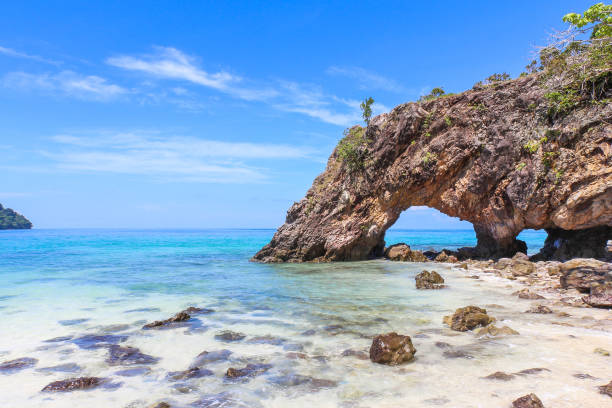
Southern Thailand offers rich marine and coastal eco-tourism experiences. Tarutao National Park and Mu Ko Phetra National Park feature unspoilt islands, mangrove forests, and diverse marine life, with activities including snorkelling, kayaking, and wildlife observation. In Phuket, conservation-focused areas such as Sirinat National Park demonstrate ongoing efforts to protect beaches and marine ecosystems alongside responsible tourism development.
Centre for IMT-GT Subregional Cooperation (CIMT)

Office 3A, Level 3, Block C, Menara PjH, Precinct 2, 62100, Putrajaya, Malaysia

Indonesia
Coordinating Ministry for Economic Affairs (CMEA)

Malaysia
Ministry of Economy

Thailand
Office of the National Economic and Social Development Council (NESDC)

Copyright © 2025 Centre for IMT-GT Subregional Cooperation (CIMT). All Rights Reserved.

Indonesia
Eco-tourism in Sumatra thrives in its rainforests, lakes, and protected landscapes, where conservation and community involvement take centre stage. Gunung Leuser National Park and Bukit Lawang are internationally recognised for jungle trekking and responsible orangutan observation, offering immersive rainforest experiences. Siberut National Park combines rich biodiversity with the living culture of the Mentawai indigenous people, providing a rare blend of nature and tradition. Elsewhere, destinations such as Lake Singkarak and mangrove ecosystems in North Sumatra promote low-impact tourism that supports environmental sustainability and local livelihoods.

Malaysia
Malaysia’s eco-tourism is strongly rooted in forest conservation and geopark development. Langkawi, a UNESCO Global Geopark, is a leading example, with attractions such as Kilim Karst Geoforest Park, where visitors can explore mangrove forests, limestone formations, caves, and wildlife through conservation-based tours. In Kedah, the Ulu Muda forest reserve is often referred to as the region’s “green lung”, supporting carefully managed eco-tourism, research, and environmental education while prioritising biodiversity protection.

Thailand
Southern Thailand offers rich marine and coastal eco-tourism experiences. Tarutao National Park and Mu Ko Phetra National Park feature unspoilt islands, mangrove forests, and diverse marine life, with activities including snorkelling, kayaking, and wildlife observation. In Phuket, conservation-focused areas such as Sirinat National Park demonstrate ongoing efforts to protect beaches and marine ecosystems alongside responsible tourism development.