ECO TOURISM

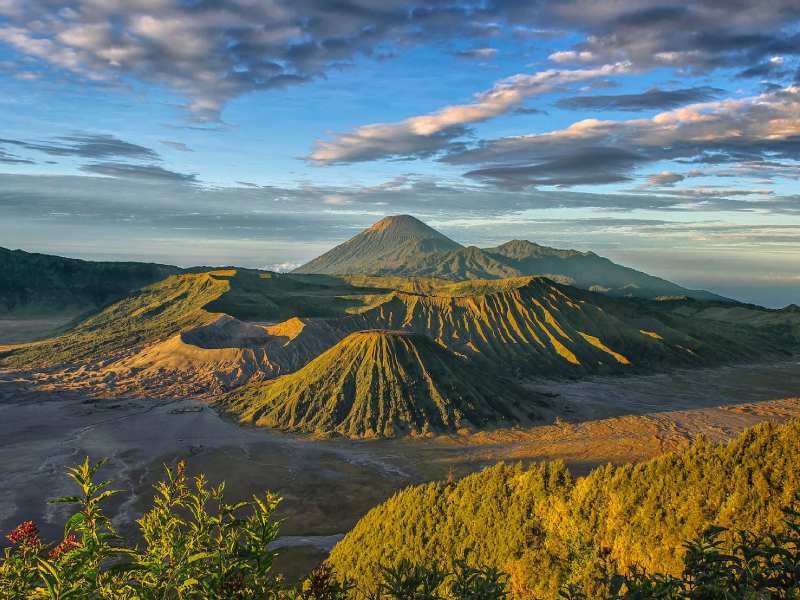
In Indonesia, ecotourism is flourishing in rainforests, lakes, and conservation areas. Gunung Leuser and Bukit Lawang National Parks are renowned for trekking and orangutan watching, while Siberut National Park offers both natural experiences and the culture of the Mentawai indigenous people. Destinations like Lake Singkarak and the mangrove areas in North Sumatra also offer nature tourism that prioritizes environmental sustainability and local community involvement.

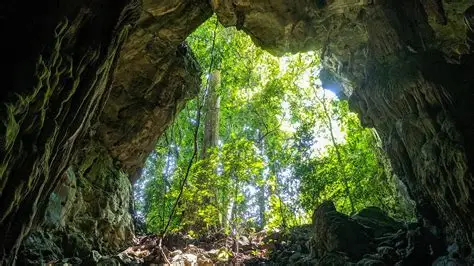
In Malaysia, ecotourism is featured in forest areas and geoparks. Langkawi is a prime example, with its Kilim Karst Geoforest Park, featuring mangrove tours, limestone caves, and conservation-based boat tours. The Ulu Muda forest area in Kedah is known as the “green lung,” supporting limited nature tourism, research, and environmental education, with a focus on preserving biodiversity.

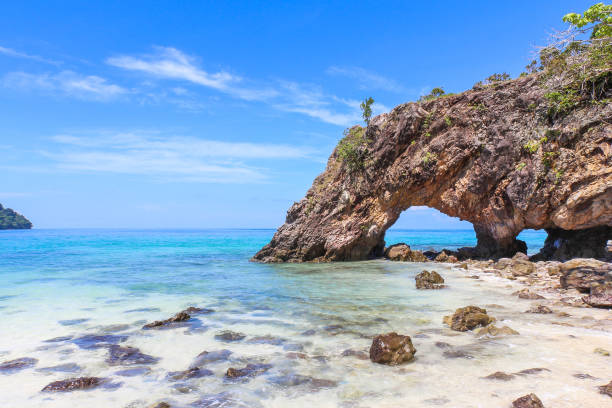
Meanwhile, Thailand offers robust marine and coastal ecotourism in the southern region. Tarutao National Park and Mu Ko Phetra National Park offer pristine islands, mangrove forests, and activities such as snorkeling and marine wildlife watching. In Phuket, areas like Sirinat National Park demonstrate efforts to preserve beaches and marine ecosystems amidst tourism activity.

Centre for IMT-GT Subregional Cooperation (CIMT)

Office 3A, Level 3, Block C, Menara PjH, Precinct 2, 62100, Putrajaya, Malaysia

Indonesia Coordinating Ministry for Economic Affairs (CMEA)

Malaysia
Ministry of Economy

Thailand Office of the National Economic and Social Development Council (NESDC)

Copyright © 2025 Centre for IMT-GT Subregional Cooperation (CIMT). All Rights Reserved.

ECO TOURISM

In Indonesia, ecotourism is flourishing in rainforests, lakes, and conservation areas. Gunung Leuser and Bukit Lawang National Parks are renowned for trekking and orangutan watching, while Siberut National Park offers both natural experiences and the culture of the Mentawai indigenous people. Destinations like Lake Singkarak and the mangrove areas in North Sumatra also offer nature tourism that prioritizes environmental sustainability and local community involvement.

In Malaysia, ecotourism is featured in forest areas and geoparks. Langkawi is a prime example, with its Kilim Karst Geoforest Park, featuring mangrove tours, limestone caves, and conservation-based boat tours. The Ulu Muda forest area in Kedah is known as the “green lung,” supporting limited nature tourism, research, and environmental education, with a focus on preserving biodiversity.

Meanwhile, Thailand offers robust marine and coastal ecotourism in the southern region. Tarutao National Park and Mu Ko Phetra National Park offer pristine islands, mangrove forests, and activities such as snorkeling and marine wildlife watching. In Phuket, areas like Sirinat National Park demonstrate efforts to preserve beaches and marine ecosystems amidst tourism activity.